When the System That Was Fine Last Week Suddenly Is Not
A heat wave changes the math for an AC system. A unit that quietly handled a normal 85-degree day can start to show weakness the moment temperatures push into the high 90s and stay there for several days straight. That is not a coincidence, sustained heat asks more of every component at once: the compressor runs longer, the coils work against a bigger temperature difference, and anything that was already a little weak gets exposed.
This guide walks through what to check before calling, how to tell ordinary strain from a real problem, and what to expect from response times across Brentwood, Pacific Palisades, Santa Monica, Westwood, and West LA during the busiest stretch of the year.
First: Is This Normal Strain or an Actual Problem?
Normal Strain Looks Like:
- - The system running for longer stretches than usual, since it has more heat to remove
- A slightly slower time to reach the thermostat's set point on the hottest days
- The outdoor unit sounding busier than usual, more fan noise, more consistent operation
An Actual Problem Looks Like:
- - Air from the vents that is not cold at all, not just slower to cool
- Ice visible on the refrigerant line or when the indoor coil access panel is opened
- The system running constantly without ever reaching the set temperature
- A new noise, grinding, screeching, or clicking that continues well after startup
- Any burning smell, which means shut the system off immediately
What to Check Before You Call
1. The Thermostat Settings
Confirm the system is actually set to cool, not accidentally switched to fan-only or off. It sounds obvious, but a setting bumped by a child or a houseguest is a common, easily fixed cause of the AC seeming to stop working.
2. The Filter
A filter that was fine in spring can load up fast during a stretch of heavy summer use, especially with windows open on cooler evenings pulling in dust. A clogged filter restricts airflow enough to mimic a bigger problem. Replace it and give the system twenty minutes before assuming something worse is wrong.
3. The Breaker Panel
If the system is not running at all, check whether a breaker tripped. A tripped breaker that resets and trips again quickly points to an electrical issue that needs a technician, but one that resets and holds may just need the extra draw of a heat wave to explain the trip.
4. The Outdoor Unit
Confirm nothing is blocking the condenser: fallen branches, a tarp, anything that landed against it during the week. Restricted airflow at the outdoor unit shows up as weaker cooling inside.
When to Call Immediately Rather Than Troubleshoot Further
Ice on the lines, a burning smell, or a system that will not turn on at all after a breaker check are all situations where further troubleshooting on your own risks making things worse. Turn the system off at the thermostat, and if there is ice, let it thaw completely before anyone attempts anything further, running an iced-up system can damage the compressor.
Why Response Times Stretch During a Heat Wave
Every household in Brentwood, Pacific Palisades, Santa Monica, Westwood, and West LA whose system was already borderline tends to call within the same few days once a heat wave sets in. That is not a reflection of any one company being slow, it is the entire Westside asking for service at once. Same-day appointments that were easy to get in a normal week can back up during a genuine heat event, which is part of why the checks above matter: ruling out a simple fix yourself can mean avoiding the wait altogether, and calling with clear information about what you have already checked helps a technician prioritize and diagnose faster once they arrive.
What a Diagnostic Visit Covers During Peak Season
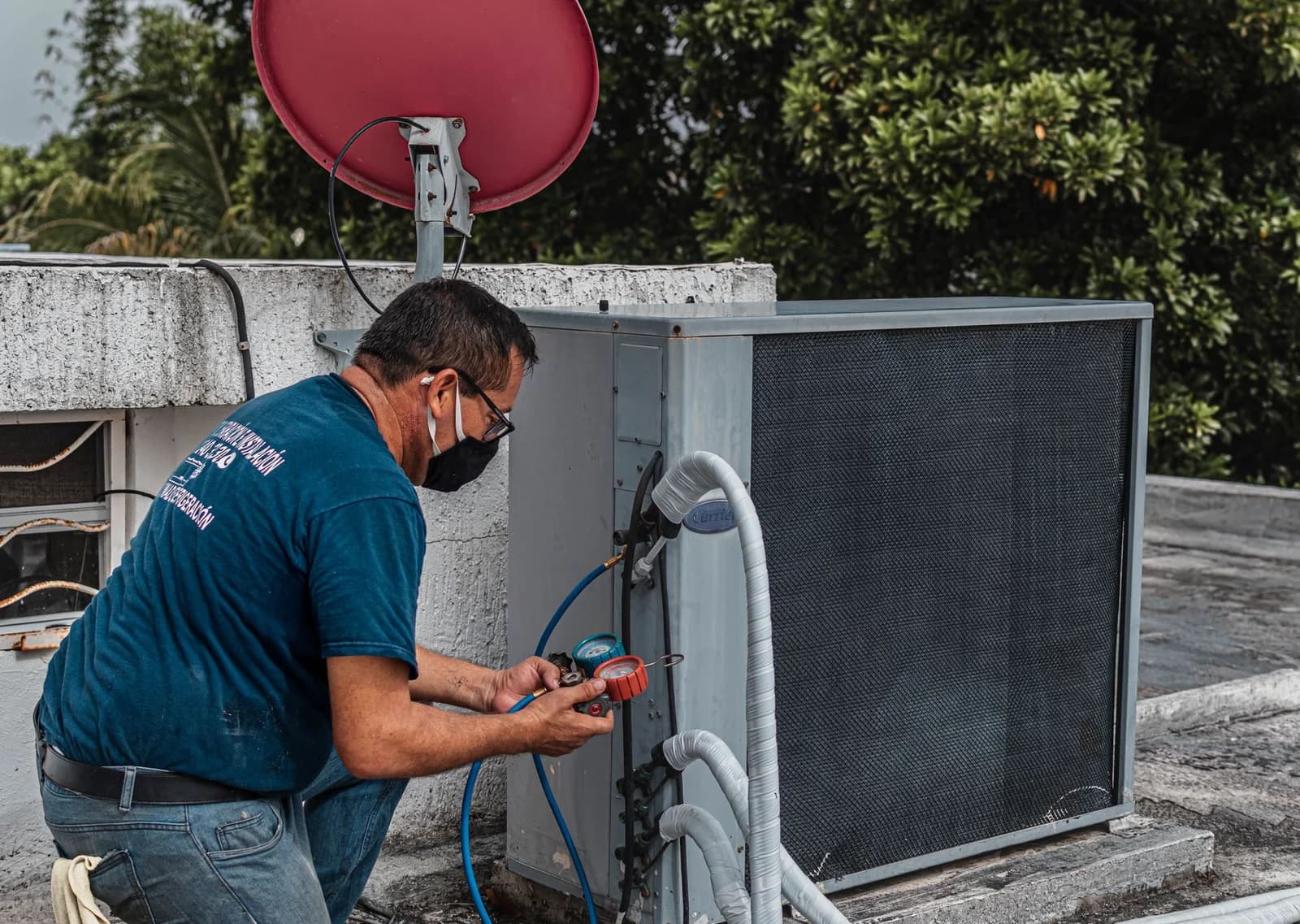
When a technician does come out during a heat wave, expect a full diagnostic rather than a guess: refrigerant pressure checks, electrical component testing under load, airflow measurement, and a look at the coils and drain system. You get a written estimate before any repair starts, heat wave or not, so you know the cost and cause before anything gets touched.
Reducing Load While You Wait for Service
If you are waiting on an appointment during a heat wave, a few things reduce strain on a struggling system without fixing the underlying issue: close blinds on windows getting direct afternoon sun, avoid running the oven or other heat-generating appliances during the hottest hours, and set the thermostat a few degrees higher than usual rather than fighting a losing battle against extreme heat, which just adds more run time to an already stressed system.
Why Some Households See This Every Summer
If your AC struggles at the same point every year, right when the first sustained heat wave arrives, that is a pattern worth paying attention to rather than treating each occurrence as a one-off. A system that repeats the same failure under the same conditions year after year is telling you something specific about a weak point, whether that is an aging capacitor, a slow leak that gets topped off and returns, or ductwork that cannot move enough air once the load gets heavy enough.
The Longer-Term Fix
A system that struggles specifically during heat waves, rather than failing outright on a normal day, is often telling you something: a refrigerant leak, a coil that needs cleaning, or a capacitor nearing the end of its life, all conditions that a spring tune-up would likely have caught. If this is not the first heat wave your system has struggled through, it is worth booking a full inspection once the immediate issue is resolved, rather than waiting for the same problem to repeat next summer.
What to Tell the Technician When You Call
Having a few details ready before you call speeds up the whole process: the age of the system if you know it, when it was last serviced, exactly what you are noticing (warm air, ice, a noise, a smell), and what you have already checked from the list above. A technician who knows a filter has already been replaced and a breaker has already been checked can skip straight to the parts of the diagnostic that actually need attention, which matters more than usual when appointment slots are tight during a heat wave.
After the Repair: What to Watch For
Once a technician has been out and made a repair, keep an eye on the system for the next few days rather than assuming the issue is fully resolved the moment the truck pulls away. A repair that holds under normal conditions but reveals a second, related issue once the system runs through a full multi-day heat wave is not uncommon, particularly on older equipment carrying more than one weak point at once. If anything from the original list of symptoms reappears, call back rather than waiting to see if it resolves on its own.
Get Help Now, Plan Better for Next Season
If your system is struggling right now, call Brentwood AC Repair at (877) 502-6414 and we will get you on the schedule as fast as the current demand allows. We serve Brentwood, Pacific Palisades, Santa Monica, Westwood, and West LA, and once the immediate problem is handled, we can talk about what would have caught it back in the spring.
Need Professional HVAC Service?
Our HVAC-experienced technicians are ready to help with all your AC and heating needs. Contact Brentwood AC Repair today for expert service throughout the the Westside service area.