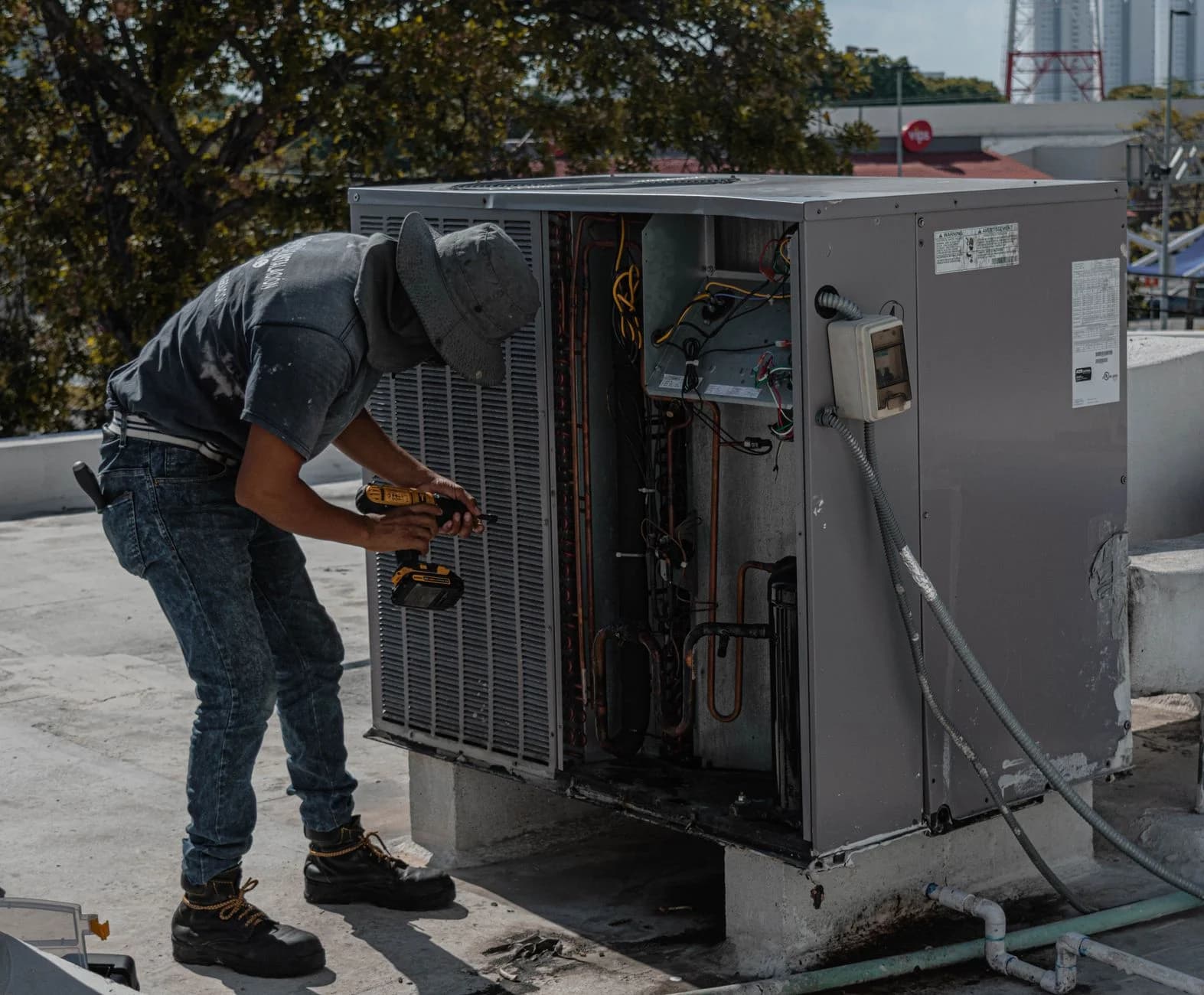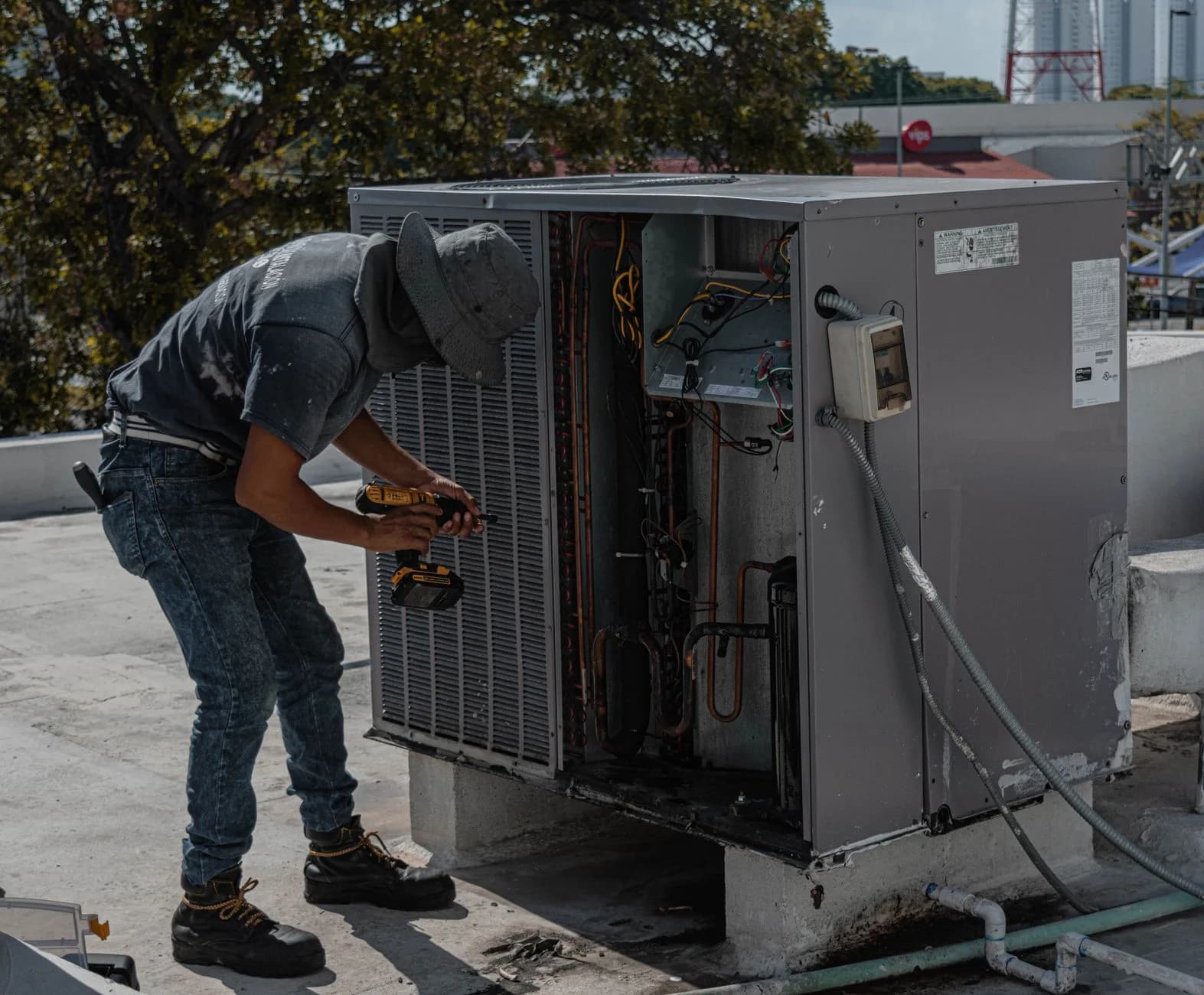
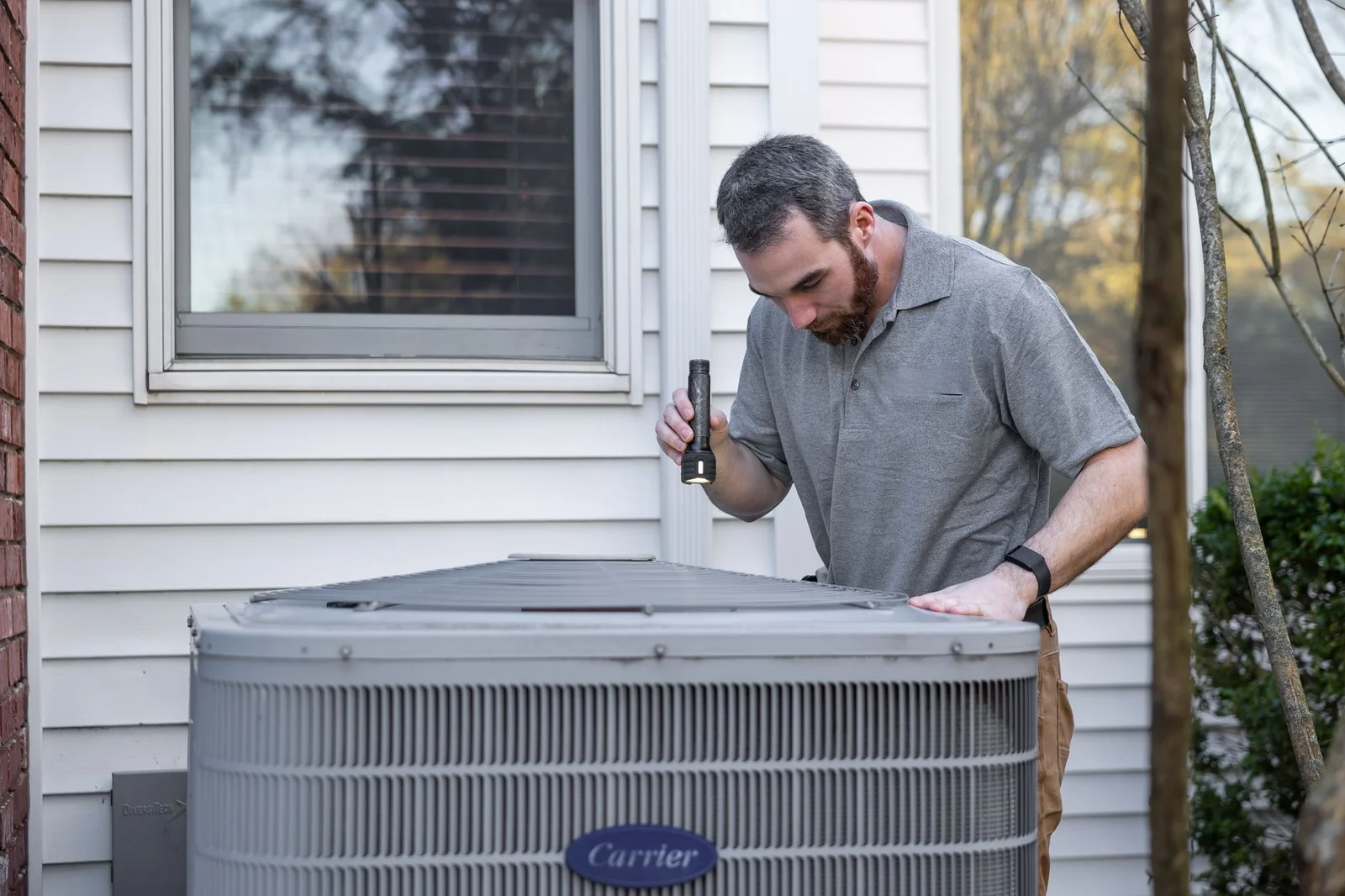
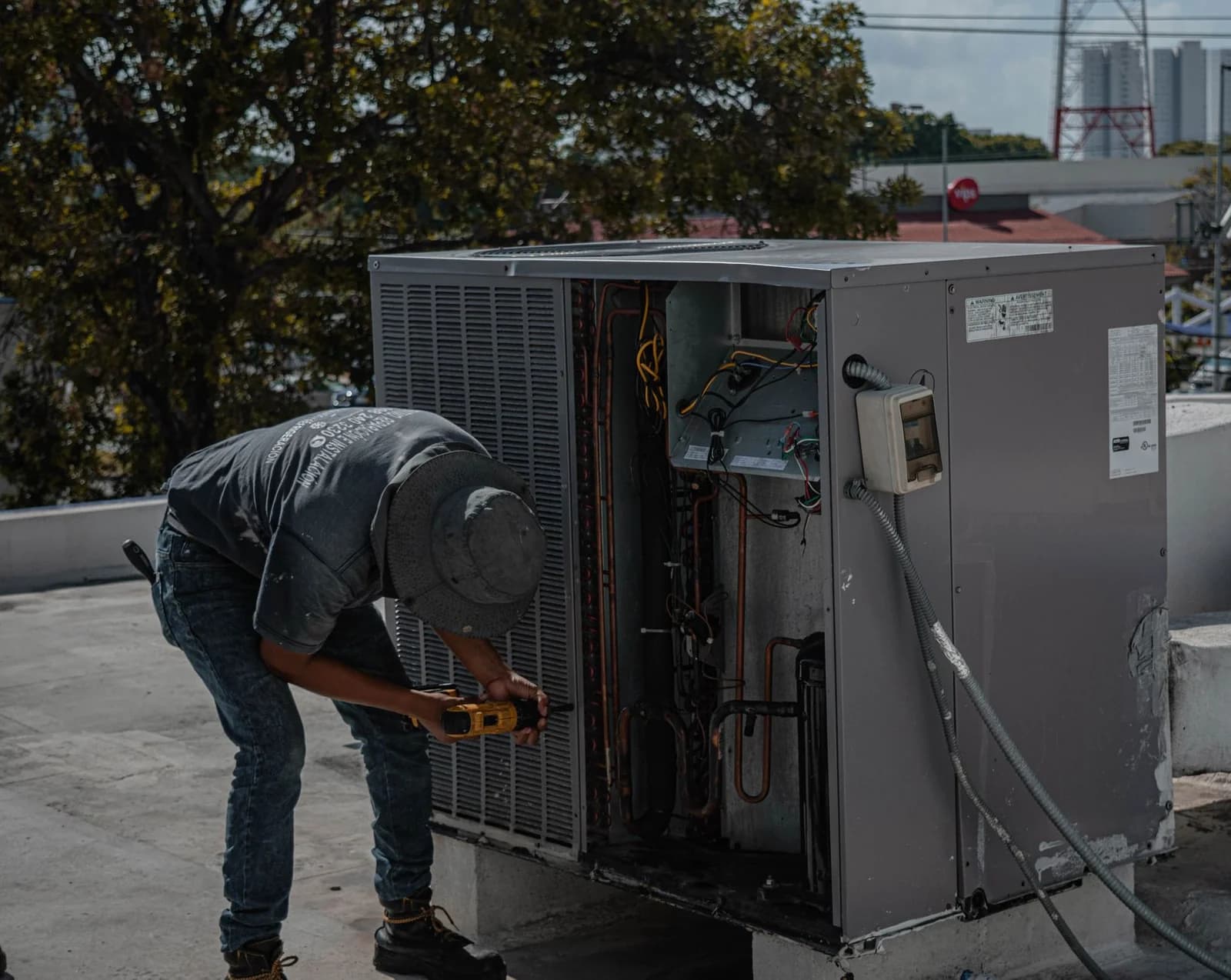
Your heat stops working on the first cold night, and you want a person to show up and fix it. This is how heater repair in Brentwood works with us, from the call to the quote, so nothing about the visit is a mystery. We are a repair company first. If your furnace can be fixed, we fix it.
What to tell us when you call
A few details save time on the phone and on the doorstep. You do not need to know the technical terms. Plain words are fine.
- What the heater does or does not do. No heat, weak heat, noise, a bad smell, or it starts and then quits.
- What kind of system you have. A furnace in a closet or attic, a wall unit, or a heat pump.
- What changed. A power flicker, a new filter, a thermostat swap, or a loud bang before it stopped.
- When you are home. Give us a window and we will plan around it.
One safety note before anything else. If you smell gas, leave the house first. Then call SoCalGas or 911 from outside. Do not flip switches or try to relight anything. A gas smell is not a repair booking. It is an emergency call.
The diagnostic order: power, thermostat, ignition, flame, airflow, venting
We test in the same order every time, because the cheap, simple causes come first. Skipping ahead is how a loose wire turns into a part you did not need.
- Power. We check the switch near the furnace, the breaker and the blower door switch. A furnace that thinks its door is open will not run.
- Thermostat. We confirm it is calling for heat, set to heat, and has fresh batteries if it takes them. A thermostat that is wired wrong or drifting off schedule looks exactly like a dead furnace.
- Ignition. On a gas furnace we watch the startup sequence. The inducer motor starts, the igniter glows, and the gas valve opens. Where the sequence stops tells us which part to look at.
- Flame. We check that the burners light evenly and stay lit. A flame that lights and drops out after a few seconds often points to a dirty flame sensor.
- Airflow. A clogged filter, a closed register or a failing blower motor can leave rooms cold even when the burners work. We check the filter and the blower before we blame anything else.
- Venting. We make sure exhaust leaves the house the way it should. A blocked or damaged vent is a safety issue, and we treat it that way.
You will see each step, not a closed panel and a number. Ask questions as we go. We would rather explain it twice than have you guess.
Parts that fail most often in a furnace
Most no-heat calls come down to a short list of parts. A furnace has a lot of small components that work in sequence, and one weak link stops the whole chain.
| Part | What it does | What you notice |
|---|---|---|
| Igniter | Lights the burners | Furnace clicks or hums, then nothing |
| Flame sensor | Confirms the burners are lit | Heat starts, then shuts off within moments |
| Blower motor or capacitor | Pushes warm air through the house | Weak airflow or a hum without movement |
| Inducer motor | Pulls exhaust out of the furnace | Loud noise or no startup at all |
| Limit switch | Shuts the furnace off if it runs too hot | Cycles on and off |
| Control board | Runs the startup sequence | Odd behavior, no response |
Many of these are repairable on the same visit when the part is on the truck. Some need ordering, and we tell you that up front instead of leaving you to wonder. If a part has to be ordered, we say how it affects your heat in the meantime.
Our heating repair team works on gas furnaces, heat pumps and electric systems across Brentwood and nearby neighborhoods, so the part list above is a normal day for us.
Repair price written before work
We find the fault first. Then we write the repair quote, and you approve it before we start. The price depends on the part, how hard it is to reach, and how long the job takes. A flame sensor cleaning and a control board swap are very different jobs, so they are priced differently.
You will not get a vague range over the phone and a different number at the door. The diagnosis comes first, and the written quote comes after it. If you decide not to go ahead, you can say no.
When a repair is not worth it
Some furnaces are better replaced than repaired. We will say so plainly, and we will also say when a repair is the sensible choice. Replacement starts to make sense when:
- The heat exchanger is cracked. That is a safety problem and not a part to patch.
- The same system keeps failing in different places, one repair after another.
- The repair quote is large next to the cost of new equipment.
- The house has outgrown the system, or some rooms never get warm.
If you reach that point, our heating installation page explains how we size and quote a new system. If your furnace is simply tired and not broken, a yearly heating maintenance visit catches small faults before they turn into a cold night.
FAQ
How fast can you get to Brentwood for a heater repair?
Call and tell us the symptom. We schedule around the window you give us, and same-day visits are what we aim for on no-heat calls. Availability depends on the day, so the call is the way to find out.Do I pay just to have the heater looked at?
The diagnosis comes first, and the repair quote is written before any work starts. Ask about the diagnostic fee when you call. We give you the quote before we touch anything.Can you repair a heat pump as well as a furnace?
Yes. We work on gas furnaces, heat pumps and electric systems. Tell us what you have, or describe where the equipment sits, and we will sort out the rest on site.Should I turn the heater off if it is making a strange noise?
If it is loud, banging or smells burnt, switch it off at the thermostat and call us. Running a failing motor can turn a small repair into a larger one.Your house should not stay cold while you wait for answers. Call (877) 502-6414 for same-day heater repair in Brentwood, and Brentwood AC Repair will send a technician to find the fault.
Need Professional HVAC Service?
Our HVAC-experienced technicians are ready to help with all your AC and heating needs. Contact Brentwood AC Repair today for expert service throughout the Brentwood, Santa Monica and West LA service area.