
Get Ahead of the First Real Heat Wave
The Westside does not warm up gradually. There is a mild stretch, and then there is a week where temperatures jump and everyone's AC gets asked to work harder than it has in months. Systems that were quietly struggling in April do not announce it until that first real heat wave, and by then, every HVAC company in Brentwood, Pacific Palisades, Santa Monica, Westwood, and West LA is fielding the same calls at once.
This checklist is built to run before that first heat wave hits, not during it. Some of it you can check yourself in ten minutes. The rest is worth having a technician confirm before the season demands it.

What You Can Check Yourself
1. When Was the Filter Last Changed?
A dirty filter is the single most common cause of AC problems that have nothing to do with the equipment itself. If you cannot remember the last time it was replaced, replace it now, before the season starts rather than after the system starts struggling.
2. Is the Outdoor Unit Clear?
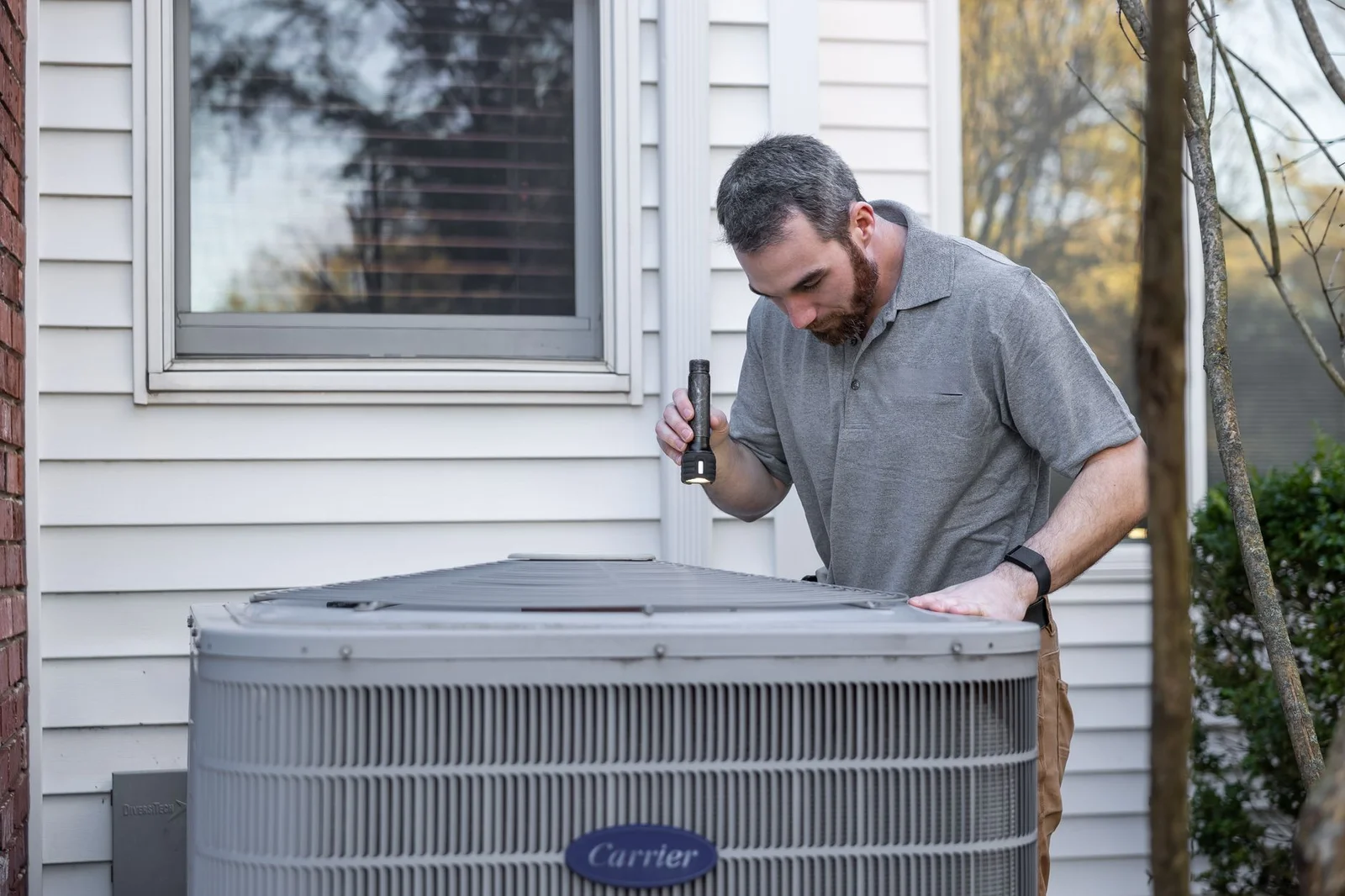
Walk out to the condenser and check for anything blocking airflow: overgrown landscaping, stored items, leaves packed into the fins. A unit working against restricted airflow runs hotter and less efficiently all season.
3. Do All the Vents Open and Close Properly?
Closed vents in unused rooms do not save energy, they just push the system to work harder against the resistance. Confirm vents throughout the house are open and unblocked by furniture or rugs before the season gets underway.
4. Does the Thermostat Respond Correctly?
Test heating and cooling calls before you need them for real. A thermostat that is slow to respond, reads inaccurately, or has a dead battery is worth catching now, not during the first hot week when you actually need the system to hold a set point.
5. Is There Any Unusual Noise or Smell When the System Runs?
Run the AC for a few minutes even if the weather does not call for it yet. Grinding, clicking that continues after startup, or a musty smell are all worth a service call before the system has to run for hours at a stretch.
What a Technician Should Confirm
Refrigerant Charge
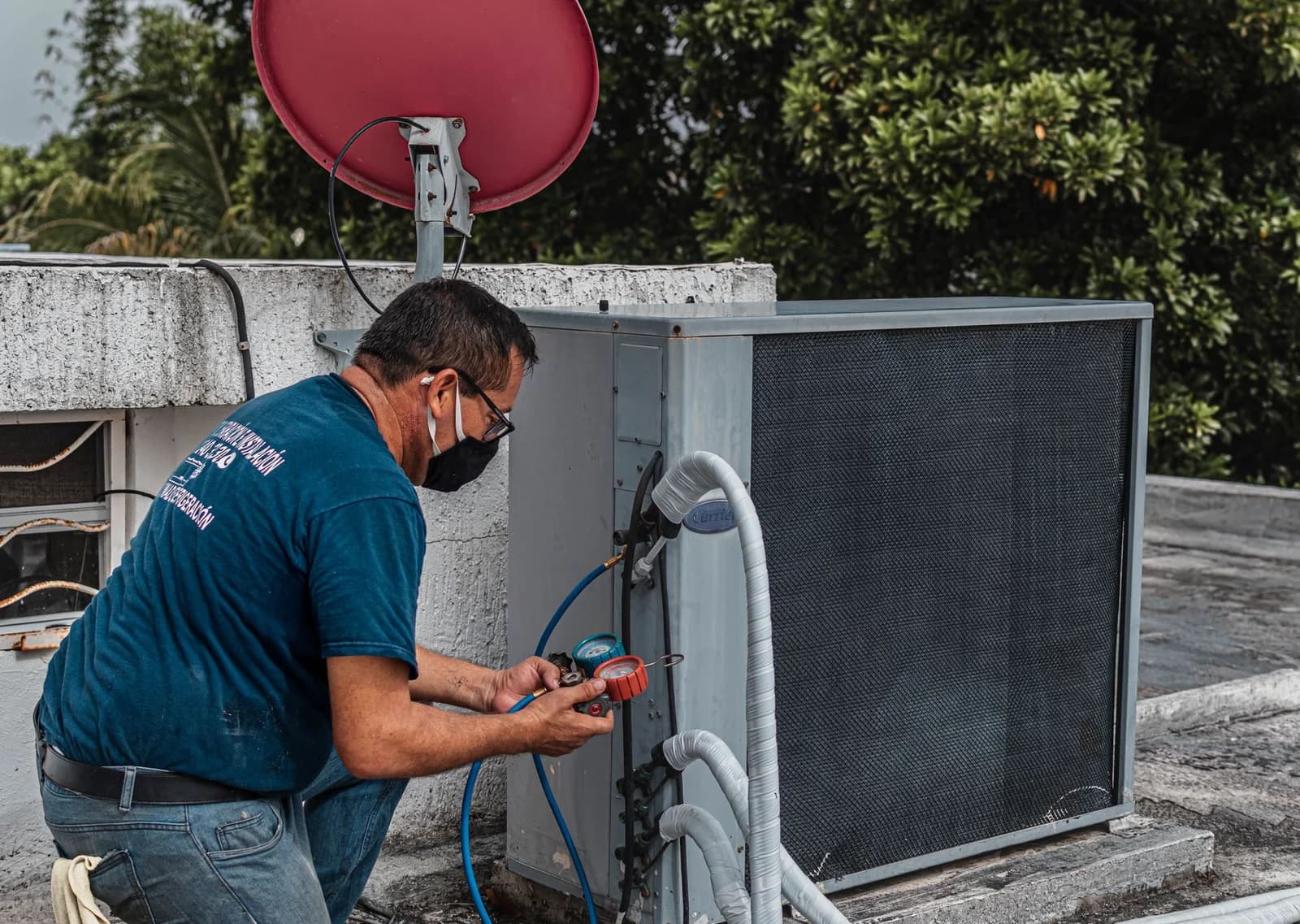
Low refrigerant is one of the most common reasons a system that seemed fine in spring struggles once real heat arrives. A technician checks charge against manufacturer specification with gauges, not a guess based on how the air feels at the register.
Electrical Components Under Load
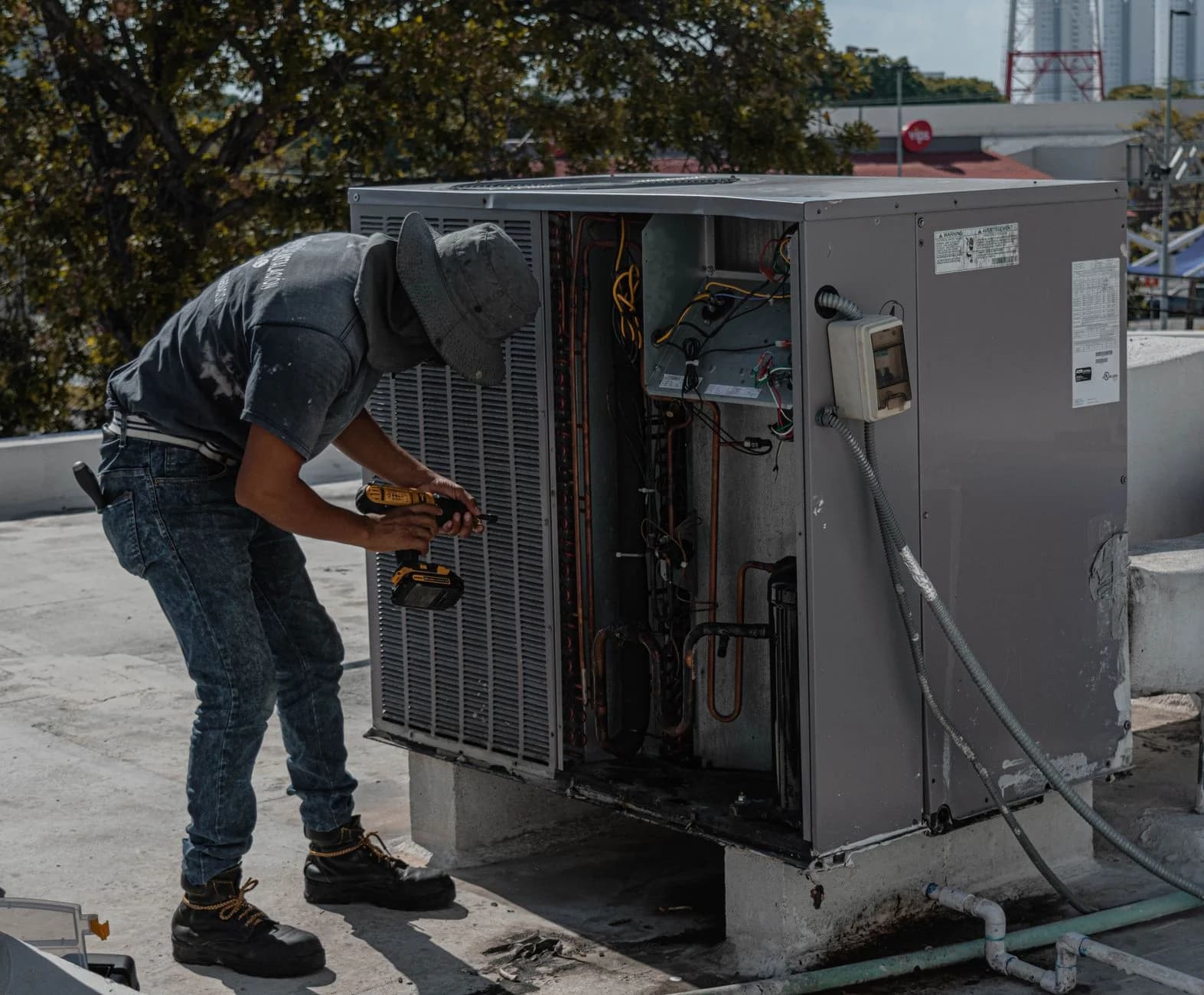
Capacitors and contactors are common failure points, and they tend to fail under the stress of a hard start, which is exactly what happens more often during a heat wave when a system cycles on and off trying to keep up. Testing these under actual load, not just visually, catches weak components before they fail outright.
Coil Condition
Dirty condenser and evaporator coils cannot reject or absorb heat efficiently, which means the system runs longer to deliver the same cooling. Coils close to the coast toward Santa Monica tend to accumulate grime faster from salt-laden air, worth a closer look even on a system that otherwise seems to be running fine.
Ductwork Airflow
In Brentwood's older bungalows especially, ductwork installed decades ago was often sized for smaller, less efficient equipment than what is running today. Static pressure testing shows whether the ducts are holding the system back, a problem no amount of equipment maintenance alone will fix.
What to Do If Something on This List Does Not Check Out
If you find a problem during your own walkthrough, small stuff like a dirty filter or blocked vents you can usually handle immediately. Anything electrical, refrigerant-related, or involving unusual noise is worth a professional visit rather than a DIY attempt, since a misdiagnosed issue can turn a simple fix into a bigger repair.
Why This Matters More in a Sudden-Onset Climate
Some parts of the country warm up gradually over weeks, giving a struggling system time to show its problems before the real stress arrives. The Westside tends to jump: a mild stretch, then a heat wave that arrives with little warning. That sudden shift means a system with a hidden weakness, a slow leak, a coil starting to foul, a capacitor nearing the end of its life, often fails right when it is asked to work hardest, rather than gradually declining in a way that gives you time to react.
Booking Before the Rush
Once the first heat wave of the season hits, HVAC scheduling across the Westside gets tight fast. Every household whose system was already borderline calls at once, and technicians are working through a backlog rather than a normal schedule. Running this checklist and booking any needed repairs before that happens means you are not competing with the entire neighborhood for the same limited appointment slots.
Households That Should Prioritize This Checklist
Systems over ten years old, homes that have needed more than one repair in the past year, and households in hillside or coastal-adjacent parts of Brentwood and Santa Monica where equipment tends to see faster wear are all good candidates to move this checklist up the priority list rather than treating it as optional.
A Printable Version for Your Fridge or Garage
Some households find it easier to keep this list somewhere visible rather than relying on memory each spring. Write down the date the filter was last changed, note anything unusual you hear or smell when the system runs a test cycle, and keep the technician's written report from your last visit nearby so you can compare notes year to year. A little bit of tracking turns this from a one-time checklist into an ongoing habit that catches problems earlier each season.
How This Checklist Differs From a Full Tune-Up
This checklist is meant to catch obvious problems and confirm the basics before the season demands more from your system, not to replace a full professional tune-up. A tune-up goes deeper: pulling gauges to verify refrigerant charge precisely, testing electrical components under simulated load, and inspecting parts of the system a homeowner cannot easily see or access. Think of this list as the first pass, a way to catch what you can catch yourself and flag what needs a trained eye, rather than a substitute for the real thing.
Timing This Checklist Against the Rest of Your Calendar
Ideally, this checklist happens in the weeks right after a spring tune-up, as a final confirmation before the season's first real heat, rather than as a replacement for that earlier visit. If you have not booked a spring tune-up yet, running through this checklist is still worth doing now, and it can help you decide how urgently to schedule that fuller inspection based on what you find.
A Quick Word on DIY Coil Cleaning
Some homeowners want to go a step further than the checklist above and clean the outdoor coil themselves. A gentle rinse with a hose, from the inside out if the panel comes off easily, and with the power disconnected first, is generally safe and can help between professional visits. Avoid pressure washers, which can bend the thin aluminum fins, and avoid any cleaning that requires removing electrical panels or accessing refrigerant lines, that part of the job belongs to an experienced technicians.
Run the List, Then Call If Something Is Off
Go through the checklist above before the season's first real heat wave. If everything checks out, good, you are ahead of the rush. If something does not, call Brentwood AC Repair at (877) 502-6414 while there is still time to fix it on your schedule. We serve Brentwood, Pacific Palisades, Santa Monica, Westwood, and West LA, and getting ahead of heat-wave season is exactly the kind of call we would rather take in May than in July.
Need Professional HVAC Service?
Our HVAC-experienced technicians are ready to help with all your AC and heating needs. Contact Brentwood AC Repair today for expert service throughout the the Westside service area.