The Window Between Summer and the First Cold Night
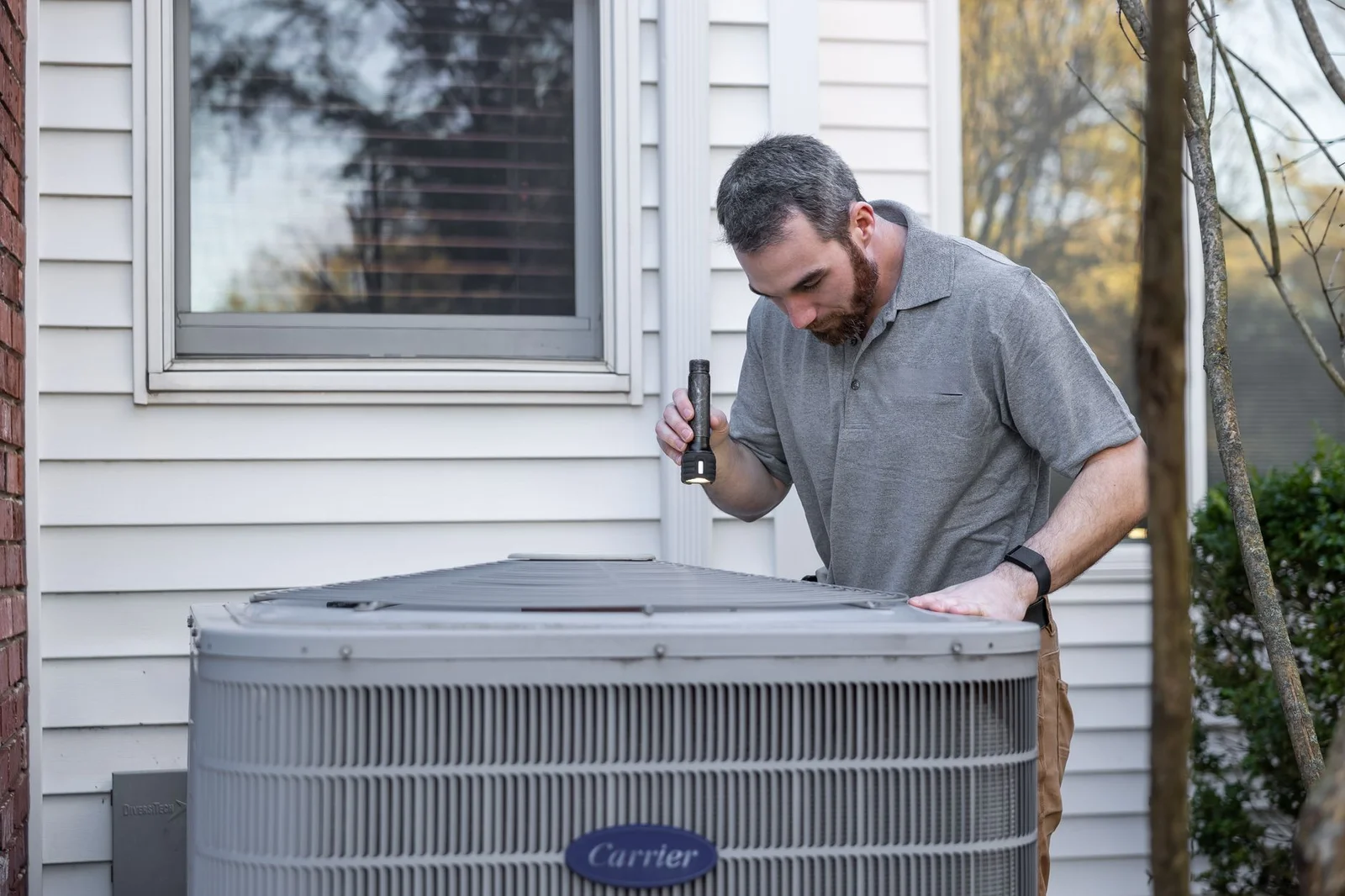
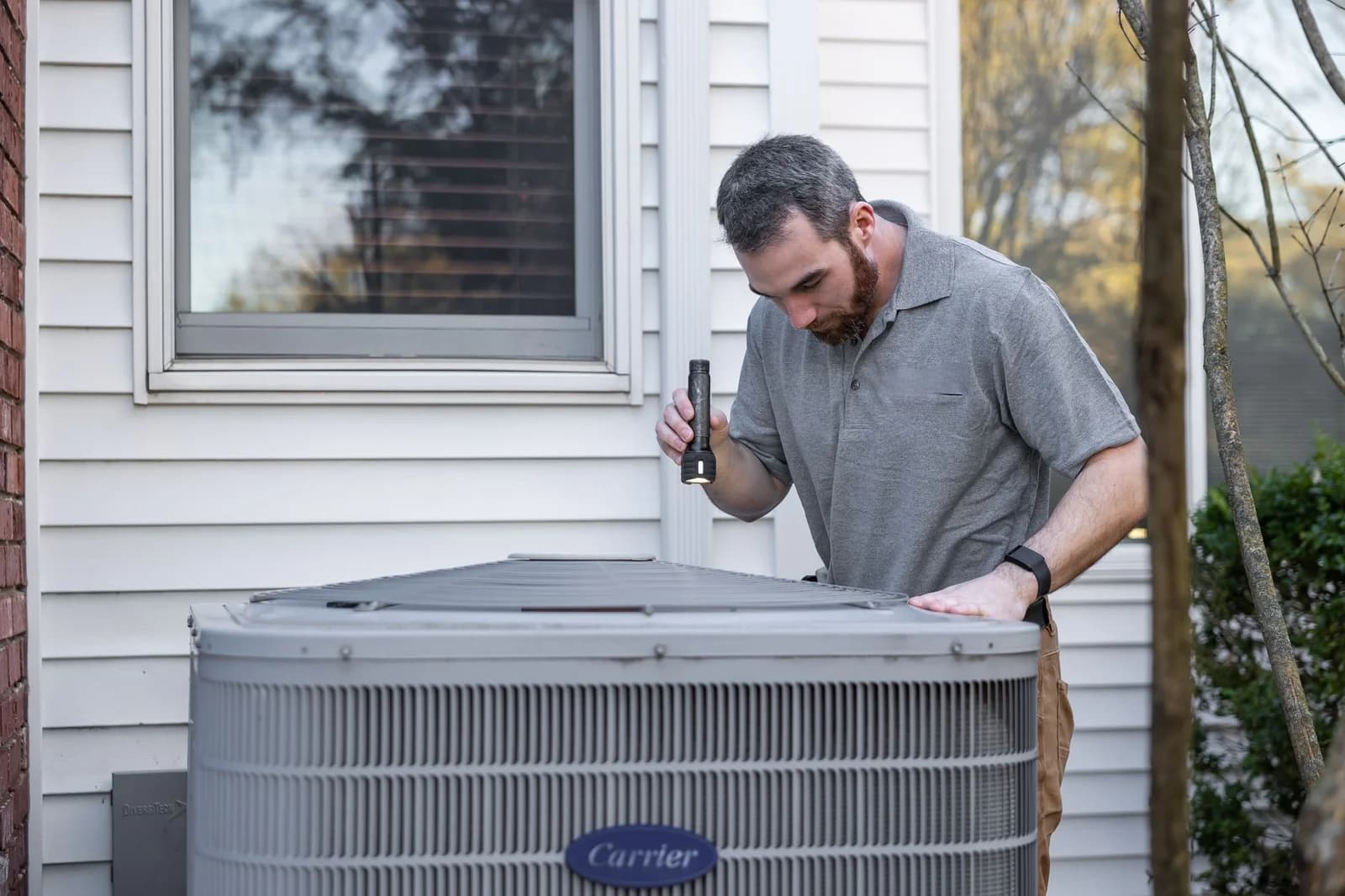
Once the heat breaks, most Brentwood households stop thinking about their HVAC system entirely until a cold night forces the issue. That gap, October through early November, is exactly the window when a furnace or heat pump check pays off most. The system has been sitting idle through a long cooling season, and it is about to be asked to run steadily for the first time in months.
This guide covers why fall is the right window for heating service across Brentwood, Pacific Palisades, Santa Monica, Westwood, and West LA, what a proper check includes, and why skipping it tends to cost more than the appointment itself.
Why the Westside's Short Heating Season Works Against You
Because our winters are mild, nighttime lows mostly in the 40s with occasional colder snaps, it is easy to treat the heating system as an afterthought. A furnace that ran fine last winter gets flipped on again in November with no attention in between, and any wear it picked up over the following months just carries forward, unchecked, into another season. A short heating season does not mean less wear, it just means the wear is easier to ignore because the system is not running long enough for problems to become obvious on their own.
What a Fall Heating Check Actually Covers
Gas Furnaces
- - Burner assembly inspection, since a dirty burner burns less cleanly and less efficiently
- Heat exchanger check for cracks, a safety issue tied to carbon monoxide risk that gets flagged immediately if found
- Blower motor and belt condition
- Filter replacement
- Electrical connections and safety switch testing
- Carbon monoxide detector testing
Heat Pumps
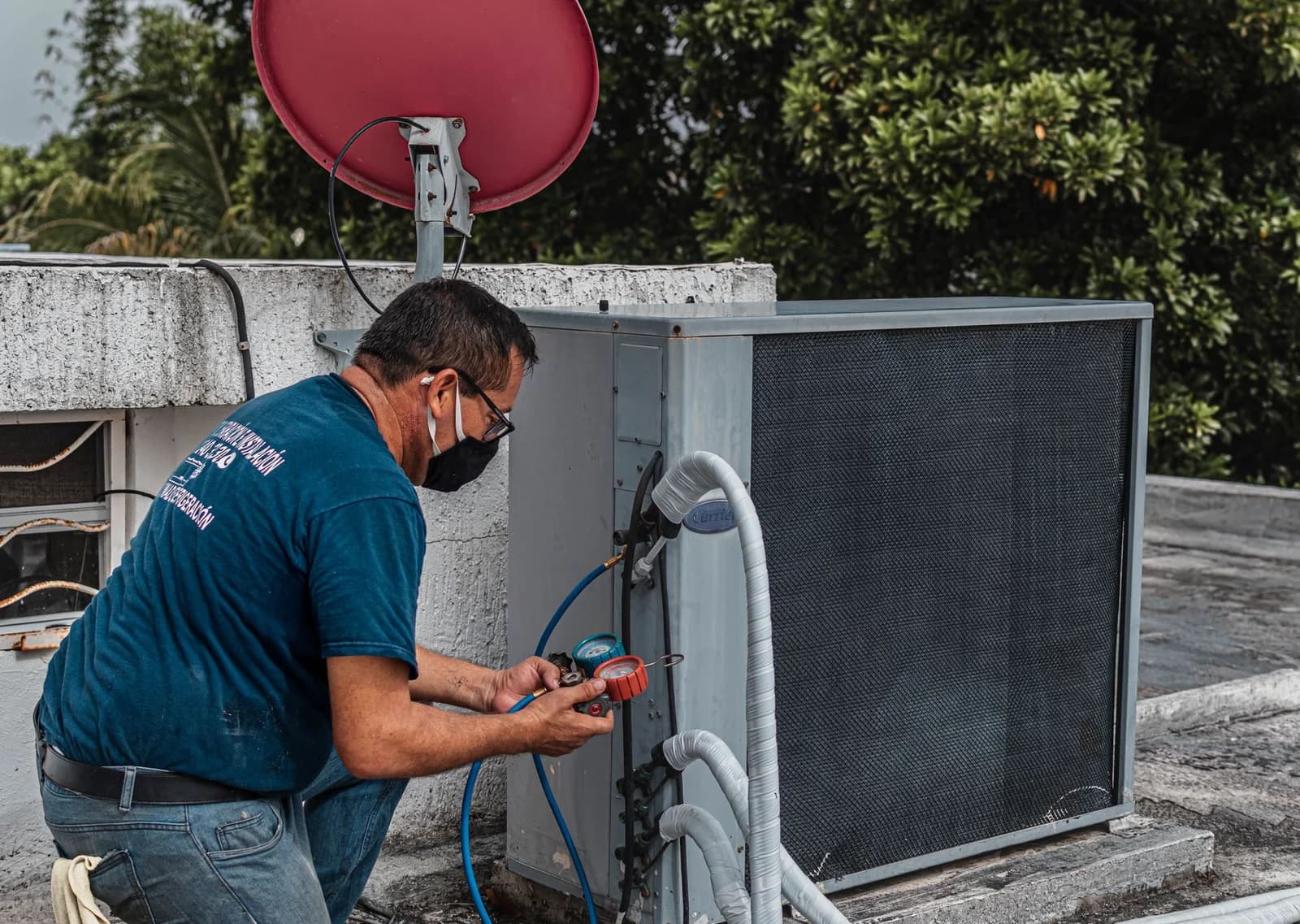
- - Refrigerant charge verification
- Defrost cycle check, confirming the system handles the transition between heating and occasional cold-snap operation correctly
- Outdoor coil cleaning
- Electrical component testing
- Filter replacement
Why October Beats November and December
Booking in October means getting service before the demand shift that comes with the first real cold nights. HVAC companies across the Westside see heating calls jump the moment temperatures drop into the 40s overnight for the first time, the same pattern that plays out with AC demand every summer, just on a smaller scale given our shorter heating season. A furnace that gets checked in October and found to need a part has time for that part to arrive and get installed before anyone actually needs the heat. The same finding in December often means running a partial fix, or living without heat for a few days, while parts get sourced during the season's busiest stretch.
What Happens to Neglected Systems Over a Mild Winter
A furnace with a developing issue, a worn igniter, a blower motor starting to strain, does not always fail outright in a mild climate. It might simply run less efficiently, take longer to reach temperature, or handle only some of the cold nights well while struggling on others. Homeowners often chalk this up to the system just being older, when a fall check would have caught and fixed the actual cause. Left alone long enough, though, a developing issue eventually does fail outright, usually on the coldest night of the season, which is the worst possible time for it to happen.
Housing-Specific Considerations
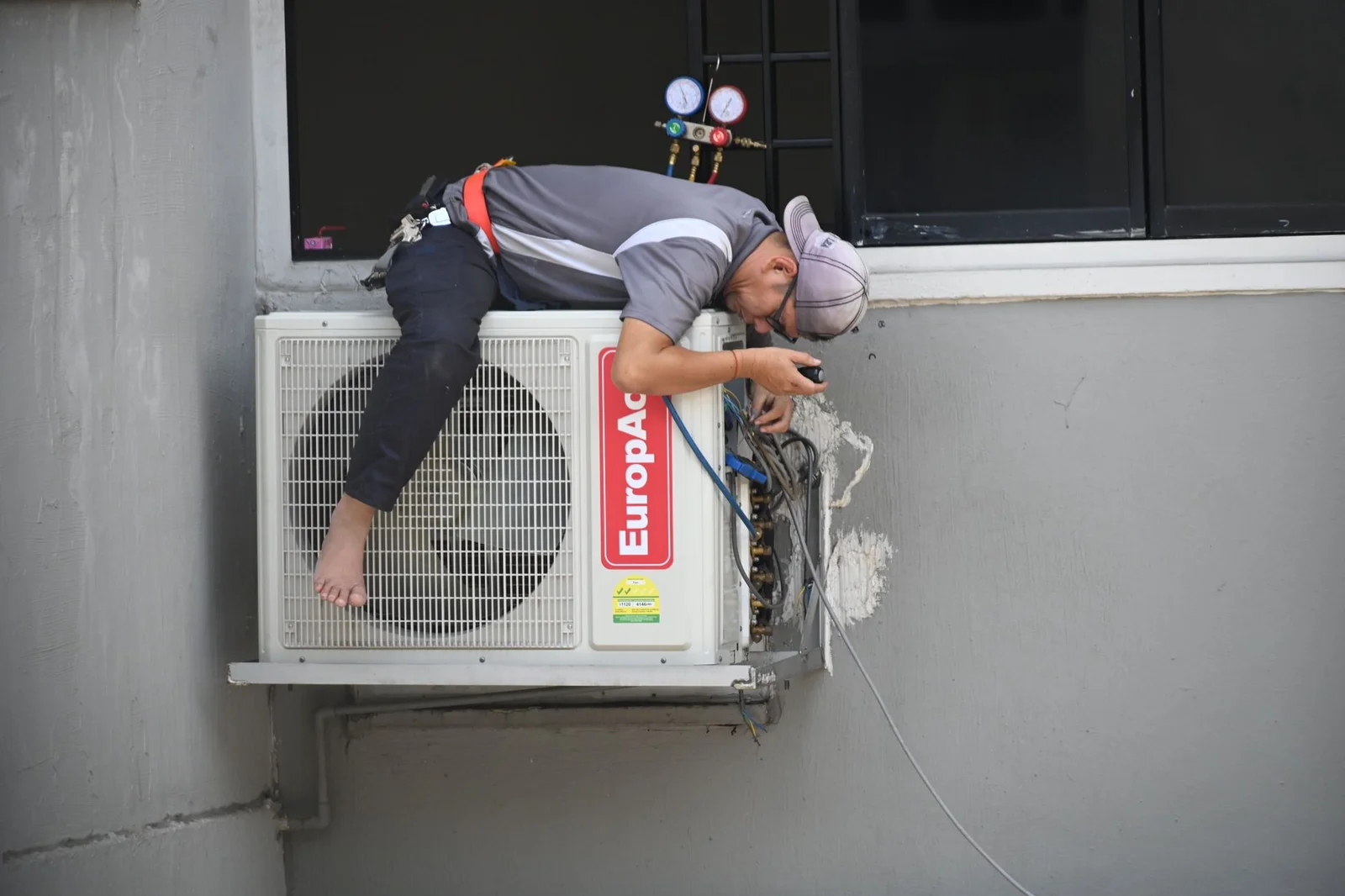
Many Brentwood homes have furnaces installed in garages or attics, spaces that sit unused and unchecked for months at a time between heating seasons. Rodent activity and dust accumulation are more common in these installations than in a furnace tucked into a conditioned utility closet, and a fall inspection is a natural time to catch either before the system is asked to run for the winter. Homes that added a ductless mini split for a converted garage or room addition should also have that unit checked in the fall, since it may be handling heating duty for a space the main furnace never reached.
Combining a Fall Check With Other Seasonal Tasks
Fall is also a reasonable time to reassess your thermostat schedule for the coming months, since household routines often shift once cooler weather changes when people are home. It is worth confirming a smart thermostat's schedule still matches reality rather than running on settings left over from summer. If you have been considering a heat pump for cooling and heating in one system, fall is also a good time to have that conversation, since a heat pump replacement completed before winter starts putting real demand on it right away.
What Homeowners Often Get Wrong About Mild-Winter Heating
A common assumption is that because the Westside rarely sees a hard freeze, the heating system matters less than in a colder climate and can be safely ignored. In practice, a furnace or heat pump here still needs to work correctly on the handful of genuinely cold nights each winter, and a system that has quietly been losing efficiency all year is more likely to underperform exactly when a cold snap actually tests it. Mild does not mean irrelevant, it just means the consequences of neglect show up less often, which makes them easier to miss until they do not.
The Cost of Waiting for the First Cold Night to Decide
Booking heating service reactively, after the first cold night exposes a problem, means competing with every other household on the Westside making the same call at once. It also means living with whatever the problem is for however long it takes to get a technician out, which in a home with young children or older residents is more than an inconvenience. A fall check turns that reactive scramble into a planned visit at a time that works for your schedule rather than the weather's.
What a Fall Visit Adds to Your Household's Records
A fall check gives you a written report of where the system stood heading into winter, useful on its own and even more useful the following year when a technician can compare current findings against last year's notes. Over a few seasons, that record builds a clearer picture of how a specific system is aging, whether a part flagged as "worth watching" last fall has actually gotten worse, or whether it has stayed stable. That kind of year-over-year comparison is hard to reconstruct after the fact if the only inspections that happen are reactive ones triggered by a breakdown.
Coordinating a Fall Check With Holiday Planning
Many households have guests staying over the winter holidays, which means more people at home relying on the heating system to work correctly during exactly the stretch when technicians are busiest with post-cold-snap calls. Getting the system checked in October, well before the holiday season, avoids the awkward possibility of a heating issue surfacing with a house full of guests and a tighter-than-usual appointment window to work with.
A Note on Combustion Safety Before Winter
If your home runs a gas furnace, fall is also the right moment to test carbon monoxide detectors and confirm they have working batteries, separate from whatever your technician checks on the equipment itself. A detector that has been chirping intermittently or sitting with a dead battery since summer is not something to discover during the first cold week when the furnace finally runs for hours at a stretch. It takes a few minutes and pairs naturally with the rest of a fall heating check.
Book Before the First Cold Snap
If your furnace or heat pump has not been checked since last winter, October is the window to change that. Call Brentwood AC Repair at (877) 502-6414 and get on the schedule before the season's first cold night makes the decision for you. We serve Brentwood, Pacific Palisades, Santa Monica, Westwood, and West LA, and a fall visit is one of the easiest ways to walk into winter without a surprise.
Need Professional HVAC Service?
Our HVAC-experienced technicians are ready to help with all your AC and heating needs. Contact Brentwood AC Repair today for expert service throughout the the Westside service area.